GLOSSARY
ISO Certified
Asian Sweet Snack Glossary
Asian Sweet Snack Food Buyers’ Guide
This Asian sweet snack glossary helps food buyers, editors and production teams compare a name with its region, base, texture, finished form and preparation method. Use it to separate a consumer label from the details needed for an equipment conversation, whether the search begins with Asian sweet snacks or traditional Asian desserts.
-
Start with the name:
Check aliases and umbrella terms. -
Then check the form:
Rolled, folded, layered, filled, moulded or cut. -
Finish with process inputs:
Recipe, size, weight, texture and output basis.
The list is representative, not exhaustive. Each regional label is a navigation aid, not a verdict on exclusive origin.
Browse the A-Z glossary
01
36 representative terms
02
5 Asian subregions
03
Many-to-many alias notes
04
Photo-first route screening
Asian Sweet Snack Terms by Region
For navigation, this guide uses the 5 Asian subregions in the United Nations M49 framework: Central Asia, Eastern Asia, South-eastern Asia, Southern Asia and Western Asia. The practical risk is a neat regional list that implies more certainty than the sources provide. Because the framework is statistical, its trade-off is easier navigation without a verdict on cultural ownership or the full travel history of a sweet.
Central Asia
Look for fried dough, nut-and-honey mixtures and tea-table sweets such as baursak and chak-chak. Recipes and spellings cross modern borders.
Eastern Asia
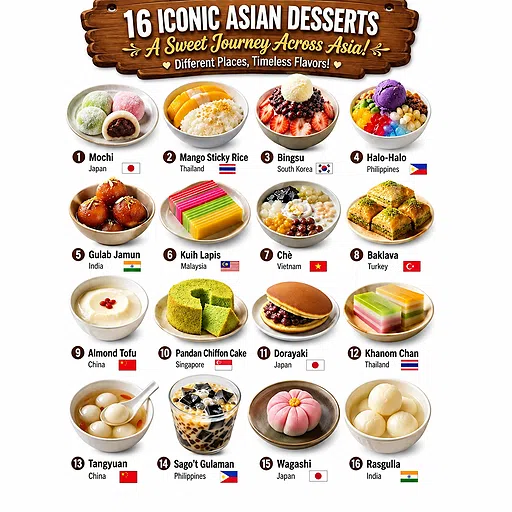
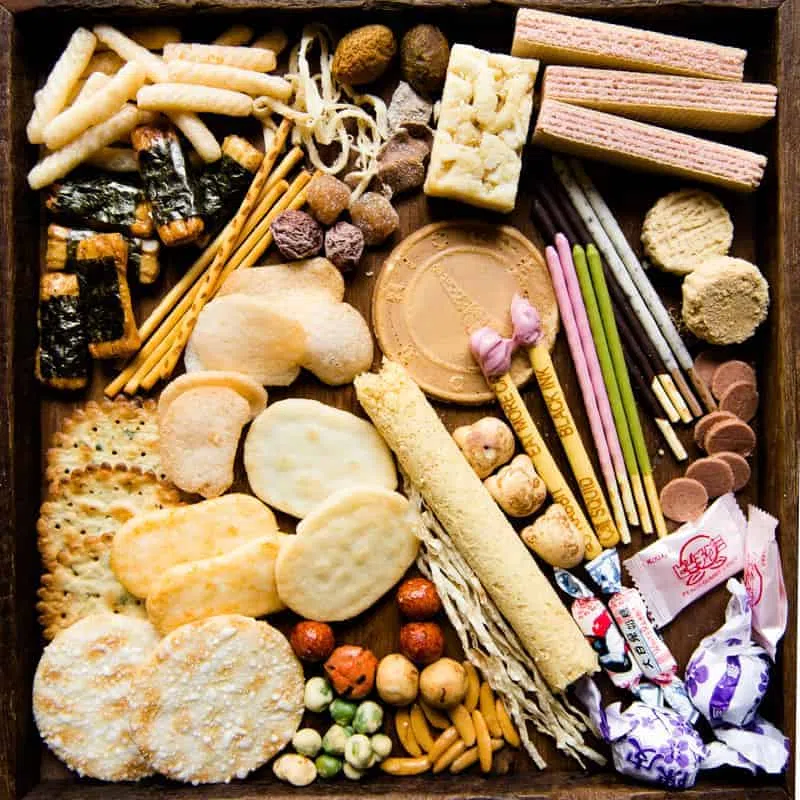
This section includes Chinese sweets, Japanese sweets and Korean sweet snacks, from rice and bean-paste forms to baked cakes, candy and crisp wafers.
South-eastern Asia
Readers comparing Southeast Asian desserts will encounter rice flour, coconut milk, palm sugar and pandan across many kueh, kuih and cake families. The same family can include steamed, baked or griddled forms.
Southern Asia
Milk solids, pulses, nuts, sugar syrup and fried dough shape many familiar sweets. Texture ranges from fudgy and crumbly to syrupy and chewy.
Western Asia
Layered pastry, sesame or nut confection, gel candy, shredded pastry and syrup-soaked dough sit in distinct method families despite sharing a sweet course.
Sweet Snack Families by Base, Texture and Method
Start with the base, then add the desired texture and the primary transformation. This is more useful than sorting every product as a candy, cake, cookie or dessert because market labels often overlap.
| Family | Base clues | Texture target | Primary method clues | Examples in this glossary |
|---|---|---|---|---|
| Rice and starch sweets | Glutinous rice, rice flour, starch | Chewy, soft, steamed or gelled | Pounding, steaming, cooking, moulding | Mochi, daifuku, dango, puto, dodol |
| Bean, nut and seed sweets | Bean paste, sesame seeds, nuts, pulses | Smooth, dense, crumbly or filled | Grinding, cooking, binding, depositing | Anko, halva, laddu, barfi |
| Fried and syruped sweets | Dough or batter plus syrup | Crisp outside, soft or syrupy inside | Depositing or cutting, frying, soaking | Jalebi, lokma, gulab jamun, yakgwa |
| Layered and filled pastry | Wheat dough, pastry, nuts or filling | Flaky, tender, layered | Sheeting, filling, baking, syrup finishing | Baklava, pineapple cake, mooncake |
| Cooked gel candy | Sugar, starch, fruit or flavoring | Soft, chewy or sliceable | Cooking, setting, cutting, dusting | Lokum, haw flakes |
| Thin batter wafers | Flour or starch batter, egg, coconut milk | Thin, crisp, sometimes flaky | Plate baking, hot folding or rolling, cooling | Egg roll cookies, love letters, kuih kapit |
Egg Roll, Wafer Roll, Phoenix Roll and Love Letter Naming Map
The highest-risk name is egg roll. In restaurant menus it often means a savory filled wrapper; in Chinese and South-eastern Asian sweet contexts it can mean a thin cookie or wafer rolled hot. The supplier needs the finished shape, recipe and measurement basis before choosing a route, and the trade-off is one extra screening step before a more useful quote.
Egg roll cookie
Overlap: sweet rolled wafer or crisp rolled biscuit in some markets
Contested boundary: do not confuse with the savory filled appetizer
Love letter
Conditional overlap: thin patterned wafer, folded or rolled
Culture and finished form help narrow the meaning
Kuih kapit
Conditional overlap: patterned folded wafer; sometimes grouped with love letters
The wider kuih family contains many unrelated products
Wafer roll
Process-forward label: thin cooked wafer rolled before setting
May be hollow, filled later or formulated for a different bite
Phoenix roll
Market alias used for selected sweet rolled biscuit products
Photo, cross-section and formulation remain necessary
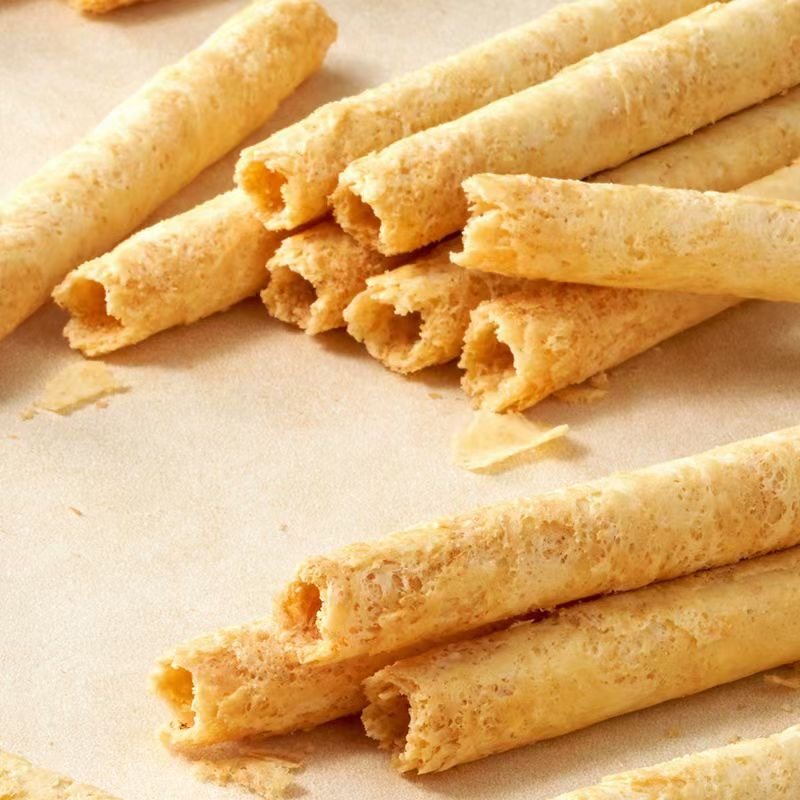
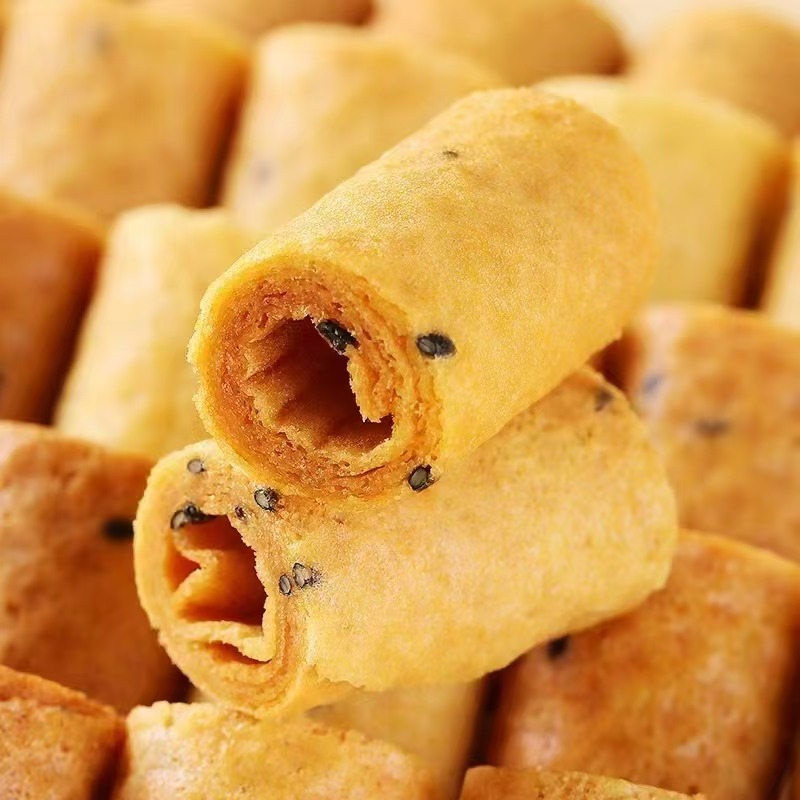
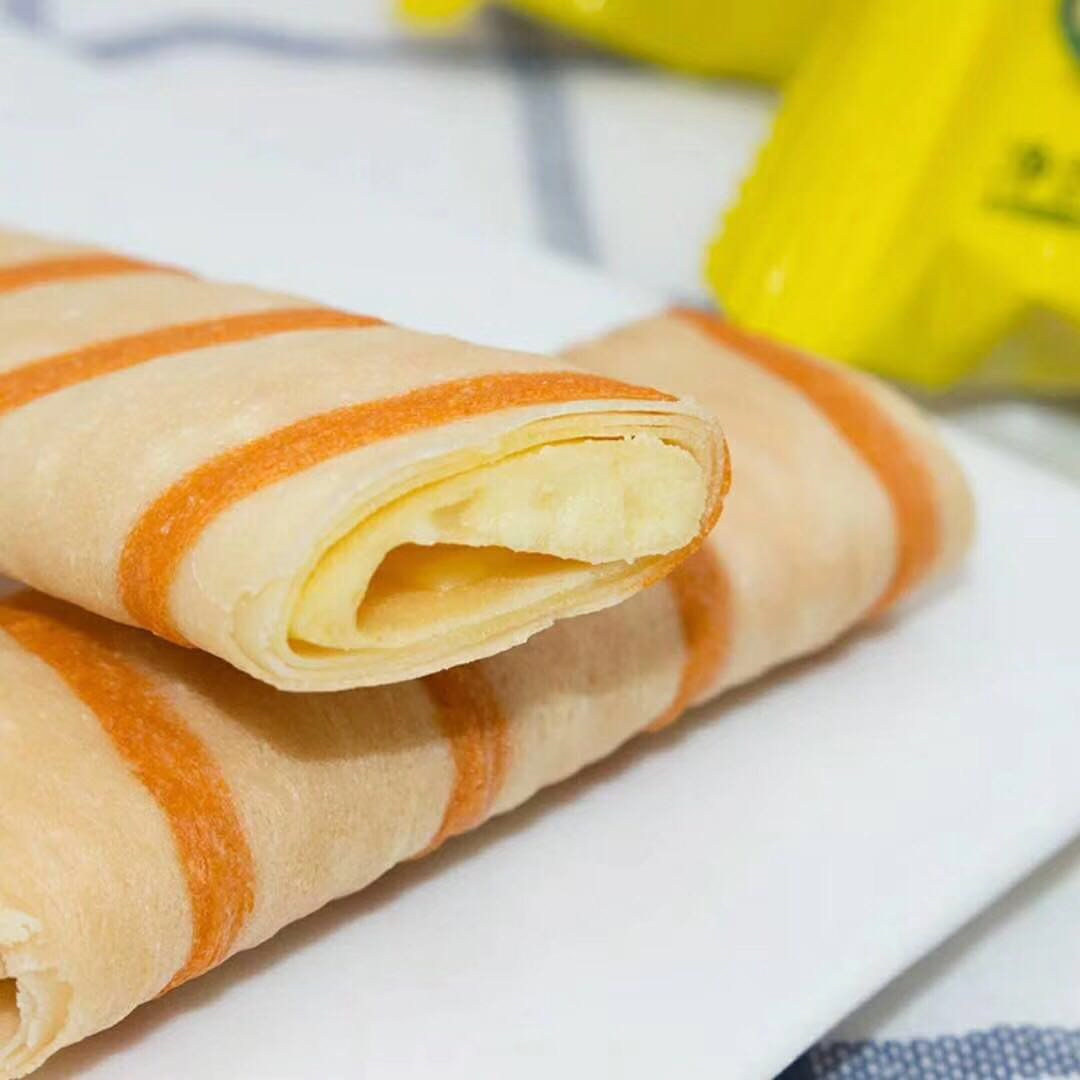
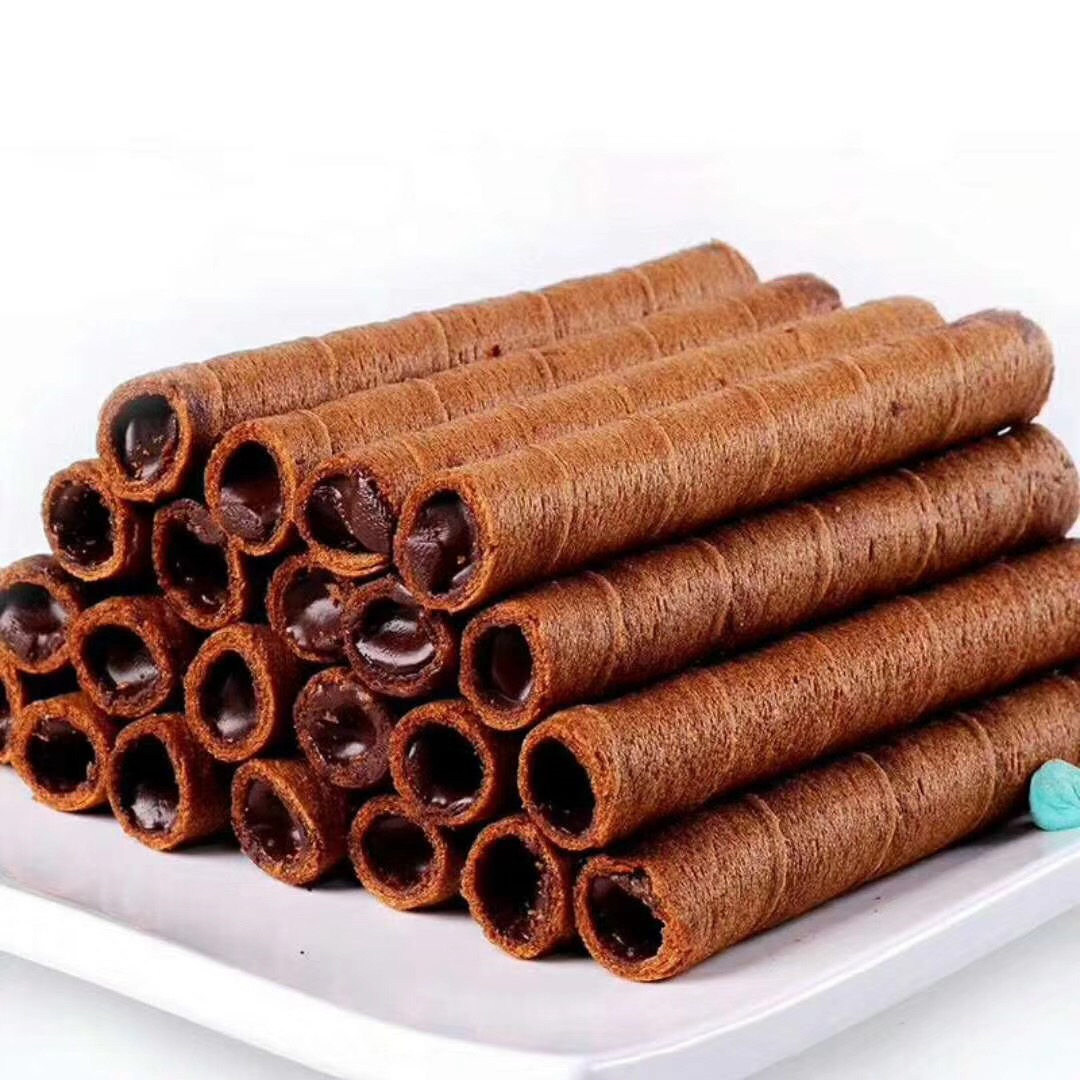
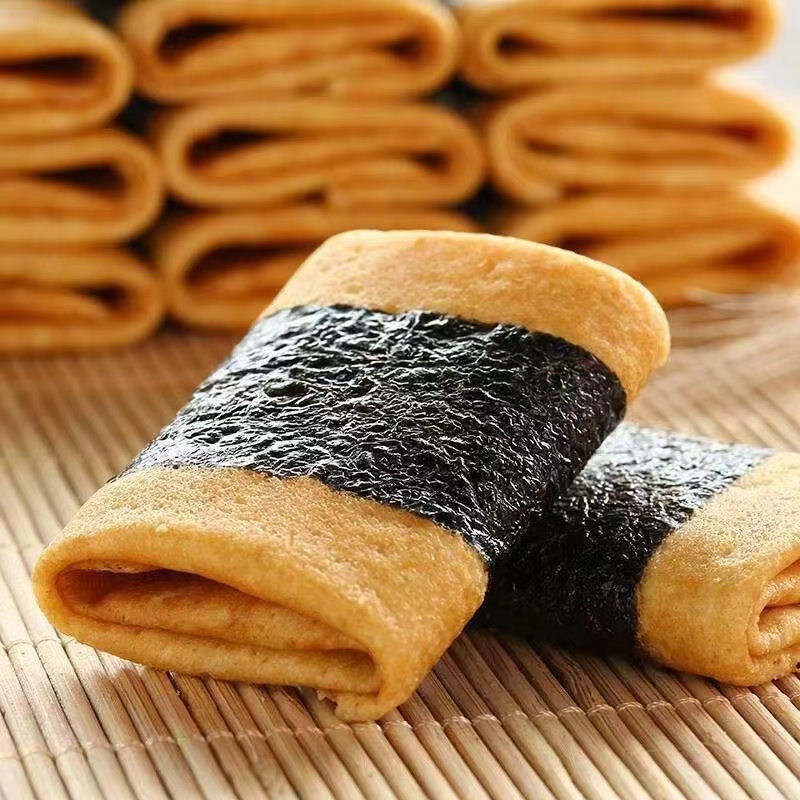
Our process team screens the product, not just the English label. We use the photo, cross-section, finished dimensions, piece weight, formulation and target bite to narrow the route before a factory trial.
Sweet Snack Context and Process Families
The Sweet Snack Context-Process Map keeps four separate layers: cultural context, formulation, primary transformation and finished form. These links are non-exclusive. The same batter can be folded or rolled, while the same round shape can come from moulding, frying, coating or hand forming; that trade-off prevents a fast shape match from becoming a wrong process assumption.
Context
Festival, gift, tea-table, street-food, chilled-dessert or packaged-retail use can change size, moisture, packaging and shelf-life expectations.
Formulation
Wheat flour, rice flour, glutinous rice, milk, egg, coconut, nuts, sesame, bean paste, fruit and sugar systems behave differently under heat and forming.
Transformation
Plate baking, griddle cooking, oven baking, steaming, frying, syrup binding, gel cooking, coating and freezing create different control points.
Finished form
Rolled, folded, layered, filled, moulded, deposited, cut, coated or assembled describes an outcome, not a complete equipment specification.
Asian Sweet Snack Glossary Tools
Asian Sweet Snack Name Finder
Choose the clues you know. The finder returns candidate terms, not a claim that one description has one correct name.
Access FinderSweet Snack Alias Resolver
Check how a wafer-related English name is connected to nearby terms. The resolver uses exact, overlapping, conditional and contested relationships rather than declaring every label a synonym.
Access ResolverFinished-Product Brief Builder
Turn an uncertain snack name into a concise brief for route screening. This tool does not estimate capacity, price or ROI.
Access BuilderAsian Sweet Snack Glossary FAQ
This glossary uses a practical eating-format definition: a sweet item eaten between meals, offered with tea, shared at an occasion or sold as a portable treat. Some entries are plated or frozen desserts because readers commonly search them alongside sweet snacks; those entries carry a boundary note.
No. Dessert is usually positioned after a meal, while a snack may be portable or eaten independently. The categories overlap, so the page labels assembled, plated and frozen desserts instead of forcing them into the same production family as a cookie or candy.
They can overlap, especially for thin sweet wafers shaped while hot, but the relationship is conditional rather than universal. Love letters may be folded or rolled, and egg roll can also mean a savory filled appetizer, so a photograph and recipe context are essential.3
No. Rolls can begin as cooked wafer sheets, dough, pastry, candy mass or another material.7 Formulation, thickness, heating, forming window, filling and cooling determine the candidate route.
The clearest current matches are selected sweet egg roll and wafer roll products plus sachima. UDTECH also reviews matching waffle, pancake, biscuit and mini bun products, but every request is screened from the finished-product brief rather than the glossary name alone.
Send one product photograph, dimensions, piece weight, base formulation, allergens, texture target, output basis, operating hours, floor space, utilities and destination market. Add the existing process or reference sample when available.