Process Parameters
Baking Ingredients and Their Functions in Production
Baking ingredients are not just flavor builders: Ingredient functions like flour, sugar, fats, eggs, liquids and leavening give structure, form color, provide moisture and control the processing of the dough/batter on the line. UD assists the production teams in turning those “chemistry” interactions into the parameters needed for an equipment discussion.
Build a Recipe & Process Brief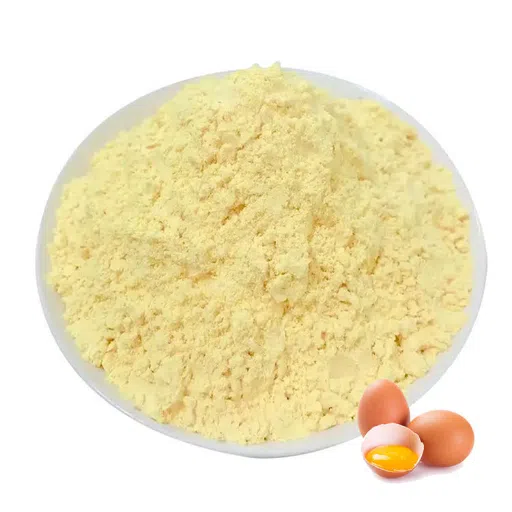
Structure
Flour proteins, starches and egg proteins form different parts of the set product.
Aeration
Yeast, chemical leaveners, steam and mechanically incorporated air create gas by different routes.
Tenderness
Fat, sugar, water availability and mixing history change how continuous the structure becomes.
Moisture
Water-binding ingredients influence batter flow, dough handling and the final eating texture.
Browning
Sugars, proteins, surface moisture and oven conditions contribute to color development.
Flavor
Salt, acids, fermentation, fats and heat-generated reactions work as a system.
Keeping quality
Water mobility, starch changes, fat system and packaging conditions affect how quality changes over time.
The Ingredient, Process, Product System
A convenient production brief covers the entire system rather than setting specific job limits for each ingredient. The same flour or fat can perform differently as the ingredient grade, proportions, partner ingredients, energy, temperature or moisture history changes.
Record type, grade, lot-sensitive attributes and ratio basis.
Dough or batter condition: note visual properties (fluidity, adhesion, aeration and development) and resistance to handling.
Process history mapping covers mixing, resting or standing, depositing, forming, baking or cooking, laminating, cooling and rolling.
Acceptance check: determine texture, width, colour, consistency, moisture and ready-to-ship status.
The central rule
An ingredient name is not a machine setting. Equipment scope starts after the team identifies the behavior that must be created, preserved or controlled through the process.
Engineering rule
An ingredient-function matrix is not a substitute for representative trials, because the same material can behave differently with a changed lot, ratio or process history.
Finished-Product Targets and Ingredient Functions
Begin with the product outcome, then work back through the ingredient systems and process stages which affect it. The cards below list things to observe during a controlled experiment, not a recipe for a general solution.
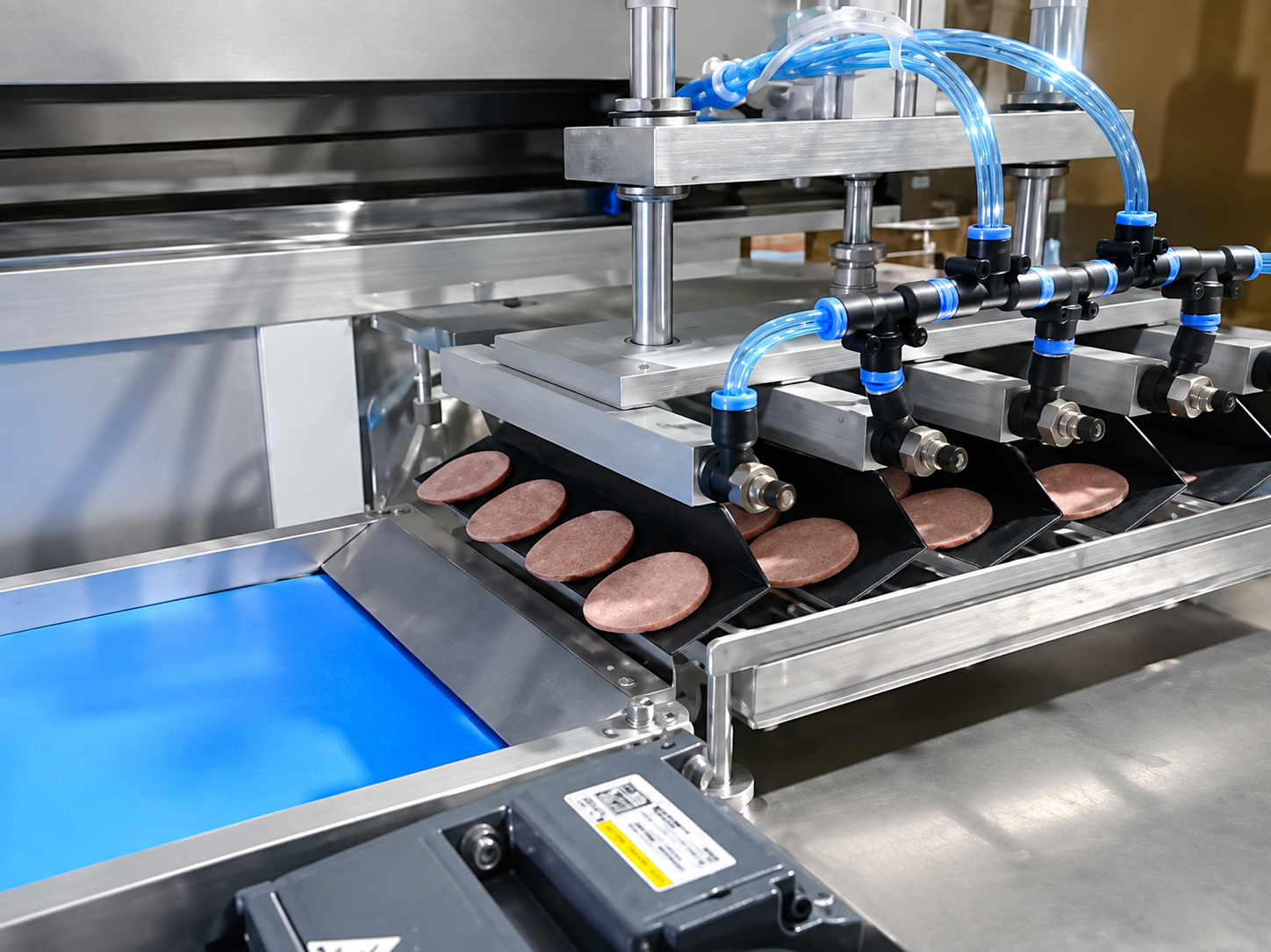
Volume and lift
Gas generation, gas retention, batter viscosity, dough development and the timing of structure setting all matter. Record piece weight, deposited dimensions, oven profile and cooled dimensions together.
Crumb or wafer structure
Flour and starch behavior, protein setting, emulsification and water distribution influence cell walls or sheet integrity. Inspect cross-sections as well as external height.
Tenderness
Fat coating, sugar level, available water and protein development can shift a product from tender to tough. Mixing sequence and temperature can be as important as the ingredient list.
Spread and shape
Dough temperature, fat state, sugar dissolution, flour absorption and oven heat affect how a piece moves before it sets. Compare formed and baked dimensions by batch and lot.
Surface color
Reducing sugars, proteins, pH, surface moisture and heat exposure influence browning. Uneven color may come from formula distribution, deposit geometry, airflow or thermal conditions.
Moisture and crispness
Water addition is only the starting point; binding, evaporation, thickness and cooling exposure alter the final state. Record moisture or a defined texture observation at a consistent time after baking.
Flavor delivery
Salt, sweeteners, fats, fermentation and volatile ingredients interact with time and heat. Use a fixed sensory or analytical acceptance method rather than changing several variables after one taste result.
Keeping quality
Starch retrogradation, moisture migration, fat changes and packaging conditions can alter texture after production. A line trial cannot establish shelf life unless the storage plan and test method are defined.
Ingredient Function to Process Variable Matrix
The matrix below is deliberately many-to-many. It helps a food technologist and production engineer decide what to measure before selecting or adjusting equipment; it does not prescribe a recipe.
- Ingredient substitutions can change dough deformation and finished-product characteristics.
- Larger-scale batches can behave differently when mixing, fill level and heat-transfer conditions change.
- Shared lines require allergen cross-contact and cleaning conditions to be mapped before equipment scope is fixed.
- Ingredient density, flowability, dust tendency and fragility can change handling and blending decisions.
Ingredient Function Matrix
Baking ingredients and their functions read as interrelated families.1 Specification and lot attributes coming in are placed adjacent to the recipe as flowability, absorption, particle size, or fat state can change handling prior to baking.
Possible functions
Structure, viscosity, water binding, surface control and crisp or tender texture.
Interaction partners
Water, proteins, fats, sugars, enzymes and leavening gases.
Incoming attributes
Protein or starch specification, particle distribution, damage, moisture and lot reference.
Production signals
Mix load, batter flow, sheet strength, adhesion, spread, cell structure and breakage.
Possible functions
Sweetness, browning, tenderness, water management, bulk and crystal control.
Interaction partners
Water, proteins, acids, fats and starch systems.
Incoming attributes
Sugar type, particle size, solids basis, viscosity and storage condition.
Production signals
Dissolution, dough consistency, spread, surface color, stickiness and cooling set.
Possible functions
Tenderness, lubrication, layering, air incorporation, release and flavor delivery.
Interaction partners
Sugars, water, proteins, starches and added emulsifiers.
Incoming attributes
Solid-fat behavior, temperature, plasticity, emulsion form and supplier specification.
Production signals
Creaming response, deposit shape, smearing, sheet integrity, spread and release.
Possible functions
Structure, emulsification, aeration, color, water contribution and surface finish.
Interaction partners
Fats, sugars, water, acids and heat.
Incoming attributes
Whole, yolk, white or alternative form; solids; temperature; and lot documentation.
Production signals
Foam stability, batter viscosity, deposit definition, setting and browning.
Possible functions
Hydration, dissolution, temperature control, steam generation and flow adjustment.
Interaction partners
Flour proteins, starches, sugars, milk solids, salts and hydrocolloids.
Incoming attributes
Temperature, solids, pH, mineral profile and addition sequence.
Production signals
Development, viscosity, stickiness, pumpability, spread, bake loss and cooled texture.
Possible functions
Taste balance, fermentation control, pH adjustment, leavening reaction and aroma.
Interaction partners
Yeast, chemical leaveners, proteins, sugars and water.
Incoming attributes
Strength, particle form, carrier, volatility, solubility and intended use.
Production signals
Distribution, gas timing, color, aroma retention and batch-to-batch consistency.
Possible functions
Biological gas generation, flavor development and dough maturation.
Interaction partners
Available sugars, salt, water, flour system, time and temperature.
Incoming attributes
Yeast form, activity basis, storage history and lot condition.
Production signals
Fermentation rate, dough expansion, proof tolerance, aroma and baked volume.
Possible functions
Gas generation or expansion through acid-base reaction, steam or incorporated air.
Interaction partners
Acids, moisture, fat system, mixing method and heat profile.
Incoming attributes
Leavener type, reaction profile, particle distribution and storage exposure.
Production signals
Batter hold, deposit stability, oven rise, pore structure and residual flavor.
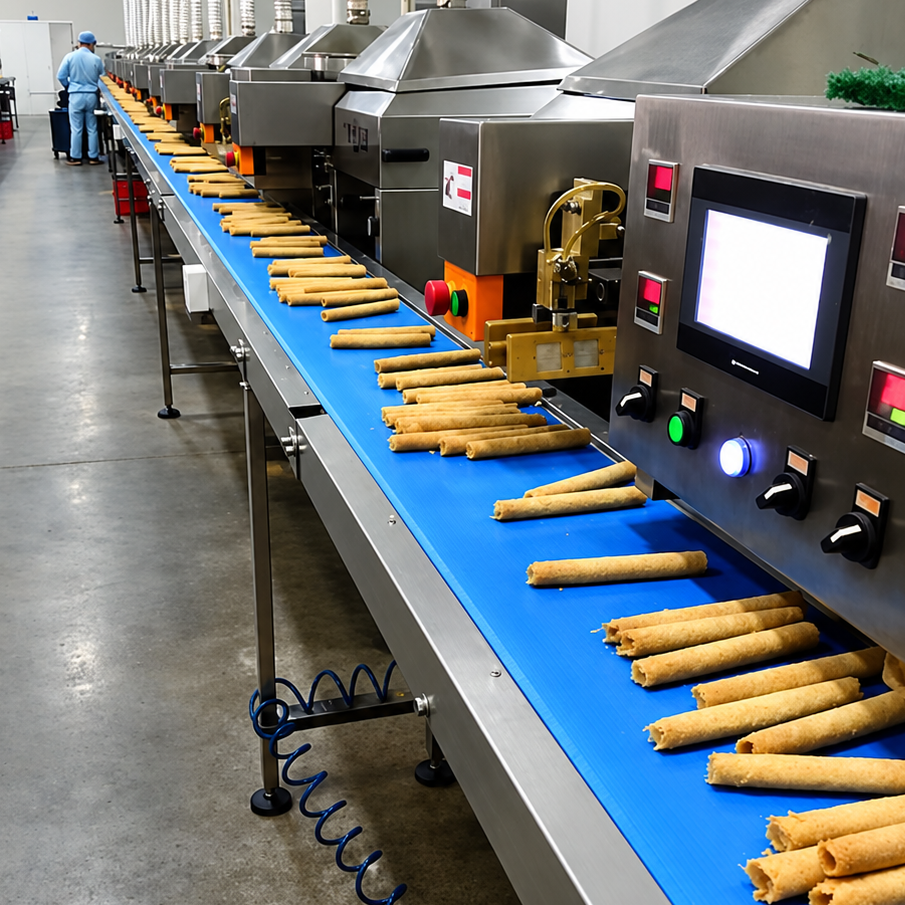
| Ingredient family | Functions to test | Process regime | Product signals | Verification route |
|---|---|---|---|---|
| Flour and starch | Structure, viscosity, water binding | Hydration, mixing, sheeting, baking | Flow, strength, crumb, breakage | Incoming specification, controlled mix, cross-section and texture check |
| Sugars and syrups | Sweetness, browning, spread, moisture | Dissolution, mixing, heating, cooling | Color, diameter, adhesion, set | Solids basis, particle or syrup condition, dimensions and color method |
| Fat and emulsifier system | Tenderness, aeration, release, layering | Temperature control, creaming, forming | Density, definition, spread, release | Fat condition, batter density, formed and baked comparison |
| Egg and protein system | Structure, foam, emulsion, color | Aeration, holding, heating | Viscosity, stability, set, browning | Ingredient form, mix observation, cooled structure |
| Liquid system | Hydration, dissolution, flow, steam | Addition, mixing, pumping or depositing | Development, flow, stickiness, moisture | Temperature and solids record, process observation, final method |
| Leavening system | Gas timing and expansion | Mixing, hold, proof and heat | Height, cells, symmetry, flavor | Time-temperature record and dimensional check |
Ingredient names that still need a specification
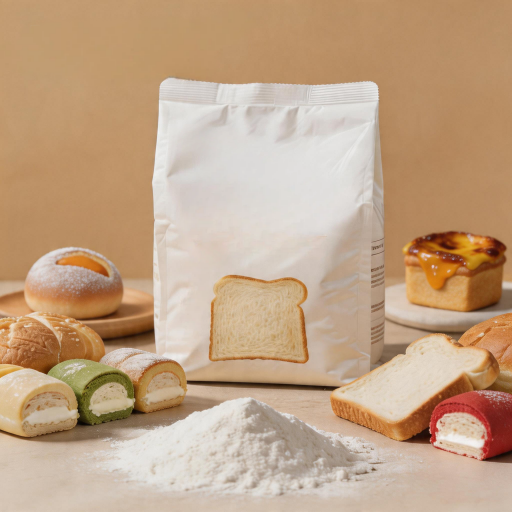
- Sort all-purpose flour, cake flour and bread flour by the attributes that affect the result you expect, not just by their market designation.
- Note if the sweetener system contains granulated sugar, brown sugar, molasses or another syrup, and its physical form or solids basis.
- Identify butter or another fat by condition and temperature when creaming, depositing, sheeting or release behavior is important.
- Identify differences between buttermilk, milk, water and other liquid ingredients based on total solids, acidity, temperature or order of addition during batch preparation.
- Consider cocoa powder as both a flavor and a solids input because it can change color, water requirements and batter behavior.
- Indicate what each extract or volatile flavor system is and when it is incorporated; it is possible for an ingredient that adds flavor to nonetheless have an influence on liquid balance or handling.
- Tell me if the product is Bread, Cake, Pastry, Wafer, or other baked good to ensure shared acceptance language for baker and equipment team.
- State the leavening agent and route, then keep the source document’s spelling of flavor or flavour where specifications use different forms of English.
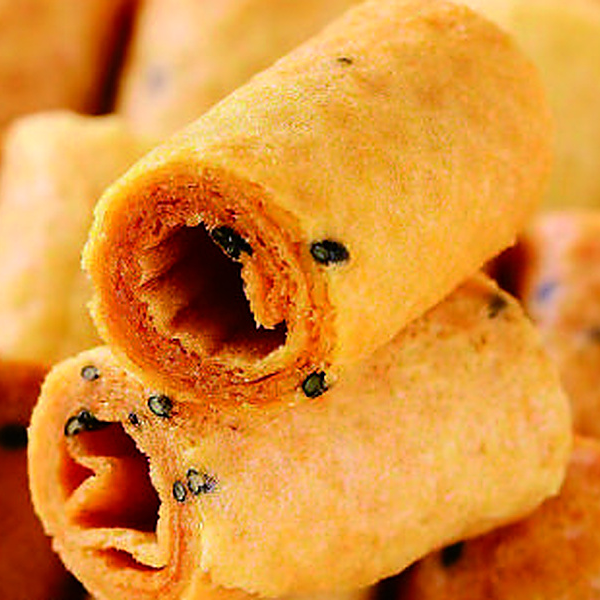
Product Outcomes Controlled by Formulation
A sensory target proves meaningful to the engineer, but not unless it has the support of a measurable state of the product and a process checkpoint. These results profiles show you where to search without condensing cause into a single component.
Track sheet or shell thickness, final moisture method, cooling exposure and packaging timing. Ingredient water binding and sugar or fat systems may alter how quickly the product becomes pack-ready.
Define the texture method or sensory reference, then hold mixing sequence, ingredient temperature and piece mass steady. Excess development or a changed fat state can mask a formulation comparison.
Record water basis, sugar system, protein or starch choice and the observation time after cooling. A result immediately after the oven may not represent the packed product.
Measure batter or dough condition before depositing as well as cooled volume. Gas creation, retention and structure setting must remain aligned through holding and baking.
Fat plasticity, dough temperature, sheet reduction and rest history influence layer definition. Keep those states visible in the trial record before blaming a single raw material.
Rolling depends on the product reaching a workable state within the available transfer window. Formula, thickness, heat history and cooling rate all belong in the same observation sheet.
Product Symptom to Formula and Process Check Map
Uneven color, low rise or excessive spread can have formula-side and process-side causes, and sometimes the visible result does not separate them. A visible symptom is not interchangeable with a root cause, so change one controlled variable group at a time and retain the lot, time and temperature record.
Project Planning and Schedule
Ambiguous scope creates delay and rework risk because machine scope, trials and interfaces are priced together. UD provides the commercial basis in a written quotation once the Recipe and Process Engineering Brief is sufficiently defined for engineering review.
Share the finished product, format, output basis, process route, constraints and acceptance criteria.
Separate buyer-owned formula decisions from the behaviors the equipment must handle or control.
For planning, allow 30–45 working days; UD confirms the actual schedule in the quotation.
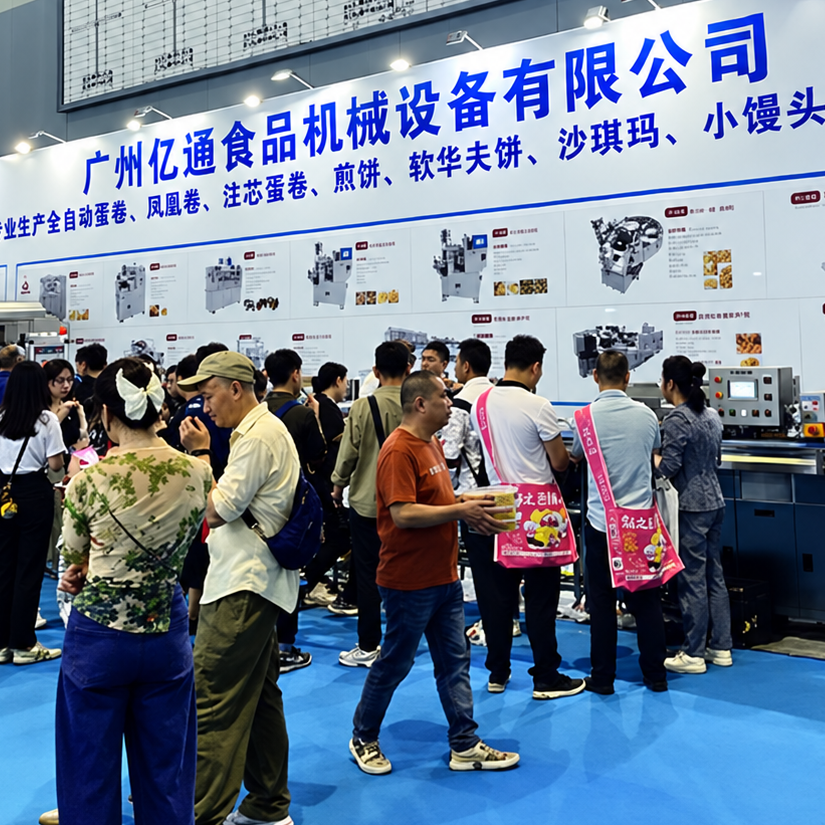
The 30–45 day planning timeframe ensures that schedule risk is identified while interfaces, testing, acceptance and responsibilities are defined.
Advisory Note
Bronze decision card
A clearer brief reduces ambiguity in scope, trials and acceptance, but this page does not claim a universal savings percentage or payback period. A planning range is not a substitute for the written schedule, so compare alternatives using the same output basis, included equipment, trial plan, utilities, changeover scope and acceptance method.2
Trial, Verification and Food-Safety Boundaries
Ingredient legality, allergen control and validated shelf life are outside machine capability. The buyer, ingredient specialists and equipment team need an agreed written division of responsibility tied to the chosen product and market.
| Topic | Buyer or product owner | Joint definition | Equipment-scope response |
|---|---|---|---|
| Formula ownership | Owns recipe, ingredient selection and disclosure route. | Identifies behavior relevant to trials. | Scopes handling and processing conditions without publishing the formula. |
| Intended use and market | Defines consumer, use and destination. | Flags market-specific review needs. | Does not represent ingredient authorization or legal-use status. |
| Ingredient specification | Approves supplier, grade and lot controls. | Identifies equipment-relevant attributes. | Uses the agreed range as a trial and design input. |
| Allergen cross-contact | Owns facility allergen program and risk decision. | Maps shared-contact surfaces, dust or aerosol pathways and changeover needs. | Documents accessible surfaces and the cleaning concept included in scope. |
| Trial plan | Supplies product acceptance criteria and representative materials. | Agrees variables, samples and observation method. | Runs process states and controls against the agreed trial basis. |
| Acceptance testing | Approves release criteria and test authority. | Defines factory and buyer-site checks. | Records included tests and boundaries in the project scope. |
Shared-line control
FDA draft guidance notes that food characteristics, manufacturing process, equipment and cleaning procedures can affect allergen cross-contact.3 Equipment scope is not a substitute for the buyer's destination-specific food-safety program.
From Recipe Requirements to Equipment Scope
UD uses the product target and process observations to structure an engineering conversation. We ensure buyer formulas remain separate from equipment scope and make the process behavior explicit.
State format, dimensions, target texture, color, moisture or other release observations.
Record ingredient family, specifications, lot-sensitive attributes, temperature and dough or batter state.
Mark mixing, resting, depositing, forming, baking, rolling, cooling and packing interfaces.2
Define output basis, utilities, space, upstream and downstream interfaces, and control expectations.
Name samples, measurement methods, responsible parties and release criteria.
Fix included equipment, hygiene approach, maintenance access, safety, delivery conditions and acceptance testing in writing.
| Input group | Information to provide | Decision it supports |
|---|---|---|
| Product | Format, mass, dimensions, texture, color and pack-ready state | Handling, forming, heating and cooling route |
| Dough or batter | Flow, adhesion, development, aeration, temperature, inclusions and hold sensitivity | Feeding, transfer, mixing and forming concept |
| Process | Sequence, time basis, heating method, rolling step, cooling and changeover | Line arrangement and control points |
| Capacity basis | Pieces, trays, mass or other declared unit over a stated period | Comparable project scope without inventing a machine rate |
| Site interfaces | Utilities, footprint, upstream feed, downstream packing, controls and access | Installation and integration boundaries |
| Hygiene and safety | Allergen program, cleanability need, operator exposure and destination requirements | Material, access, guarding and changeover discussion |
| Acceptance | Trial materials, measurement method, sampling and responsible authority | Factory and buyer-site verification plan |
UD Engineering and Manufacturing Context
UD was established in 2003 and conducts food-production automation research and development. The company has invested nearly RMB 200 million in the Xinyu High-tech Development Zone in Jiangxi Province.
Patent statement boundary
The company statement is made at series level. This page does not assign a patent number, jurisdiction or legal status to an individual model.
Process scale-up still needs product-specific evidence before equipment scope is fixed.
2003
Established
Nearly RMB 200 million
Investment stated by UD
130 acres
Production-base area
Two production bases
Manufacturing footprint
Independently developed equipment series
- UD independently developed its fully automatic egg roll machine series.
- UD independently developed its fully automatic phoenix tail roll machine series.
- The two independently developed series hold multiple invention patents.
Baking Process Engineering Tools
KNOWLEDGE BASE
Frequently Asked Questions
What are the main classes of baking ingredients?
Useful production groups include flour and starches, sugars and syrups, fats and emulsifiers, eggs and other proteins, water and dairy liquids, salt, acids and flavors, yeast, and chemical or physical leavening systems. One ingredient may sit in more than one functional group.
What should a bakery record when manual portioning becomes a bottleneck?
Record the output basis, piece mass and dimensions, current manual steps, variation at release and the upstream or downstream limits. This gives engineering a real process boundary without assuming that automation alone solves formula or handling variation.
What does flour do in a baked product?
Flour can contribute proteins, starch, water absorption, viscosity and the structure that holds gas or defines a sheet. Its effect depends on flour specification, partner ingredients, hydration and the deformation created during mixing or forming.
What does sugar do besides add sweetness?
Sugars can influence browning, tenderness, spread, bulk, water mobility and crystal behavior. Sugar type, particle form or syrup solids can also change dissolution and handling.
How do fats affect tenderness and aeration?
Fat can coat structural ingredients, lubricate the system, carry flavor and help trap air during a suitable mixing process. Temperature and solid-fat state affect creaming, forming, spread and release, so the fat name alone is not enough.
What functions do eggs provide?
Egg components can contribute protein setting, emulsification, foam, water, color and flavor. Whole egg, yolk, white and alternative protein systems do not provide the same balance of functions.
What is the difference between baking soda and baking powder?
Baking soda supplies an alkaline component that needs a suitable acid source and moisture for gas generation. Baking powder contains a formulated acid-base system, but its reaction timing still interacts with mixing, hold time and heat.
How does yeast differ from chemical leavening?
Yeast produces gas biologically during fermentation and also contributes flavor development. Chemical leavening uses acid-base reactions, while steam and mechanically incorporated air provide additional physical routes to expansion.
How do liquids affect gluten, starch and batter consistency?
Liquids hydrate proteins and starches, dissolve soluble ingredients, influence temperature and provide water that may later become steam. Solids, pH, mineral content and addition sequence can change the apparent effect of the same added mass.
How can ingredient changes affect mixing and forming?
Changes in absorption, viscosity, fat state, particle distribution, density or inclusions can alter mix load, flow, adhesion and shape retention. Review the material specification and dough or batter observation before changing equipment settings.
Which variables should stay constant during a plant trial?
Hold the formula basis, lot records, ingredient temperatures, addition sequence, mixing basis, forming geometry, heat program, cooling condition and acceptance timing.2 If a variable must change, record it as part of the test design.
How should a team troubleshoot low rise, excessive spread or uneven color?
Split the review into formula-side and process-side branches, then compare one controlled group at a time. These symptoms may be underdetermined, so avoid assuming that one visible defect identifies one cause.
How can a commercial bakery manage humidity-related consistency?
Track room condition alongside ingredient lot, dough or batter temperature, absorption behavior and the relevant forming observation. Use that record to test whether the drift follows environment, material, process history or a combination.
What information does UD need for an engineering discussion?
Provide product format, target dimensions and texture, formula class, dough or batter behavior, process sequence, output basis, utilities, interfaces, hygiene constraints and acceptance method. A full proprietary formula can follow through an agreed private process when it is needed for trials.
How is the production schedule confirmed?
For planning, allow 30–45 working days. UD confirms the actual schedule in the written quotation after equipment scope, trial basis, interfaces and acceptance work are defined.